Get Bonsai Tree Pruning in Stamford, CT
Bonsai tree pruning services for Stamford, CT help property owners maintain healthy, attractive trees by removing dead or overgrown branches and shaping trees for safety and aesthetics.
Proper pruning of bonsai trees is essential for maintaining their health, aesthetic appeal, and overall growth. Property owners in Stamford, CT, who take pride in their gardens and outdoor spaces often explore bonsai pruning services to ensure their trees remain vibrant and well-shaped. Whether cultivating a new bonsai or maintaining an existing one, selecting experienced local contractors can help achieve the desired results while supporting the beauty and integrity of the landscape.
Considering professional pruning services allows property owners to plan their landscaping projects with confidence and compare options available in the Stamford area. By exploring local service providers, individuals can find experienced specialists capable of handling a variety of bonsai care needs. Continuing to read can help identify trusted contractors who can assist in keeping bonsai trees healthy and visually appealing.
- Bonsai Tree Pruning - needed when a bonsai has overgrown its container or developed uneven growth patterns.
- Tree Shaping and Trimming - appropriate for maintaining the aesthetic shape and health of a bonsai in neighborhoods like Stamford’s Riverside area.
- Branch and Leaf Removal - required when dead or diseased branches threaten the overall health of the bonsai.
- Root Pruning - necessary during repotting to promote healthy growth and prevent root binding.
- General Maintenance - sought when a bonsai owner wants to keep their tree in optimal condition and appearance.
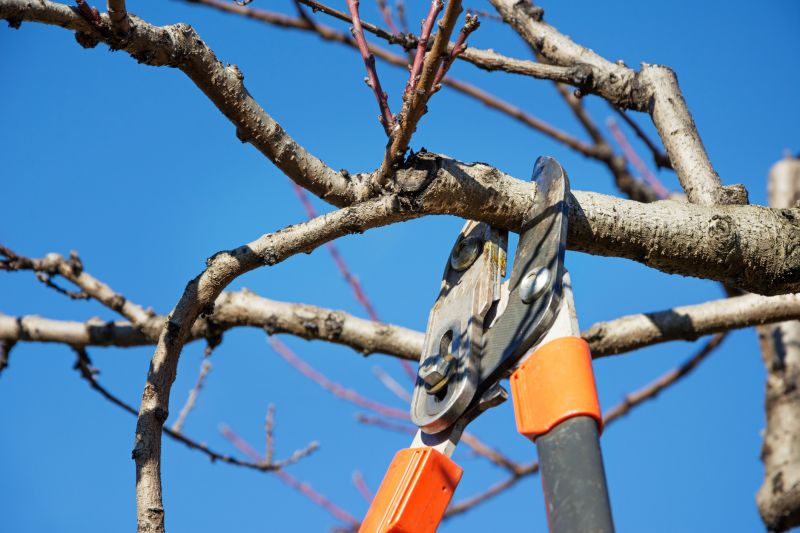
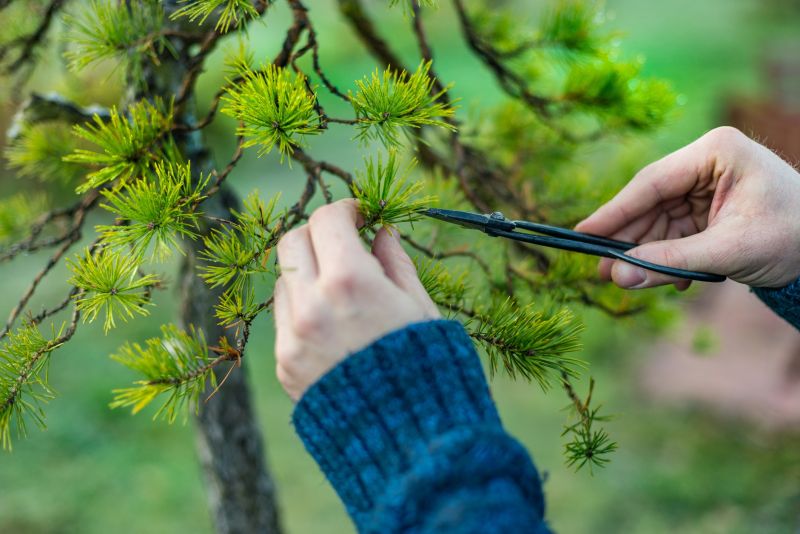
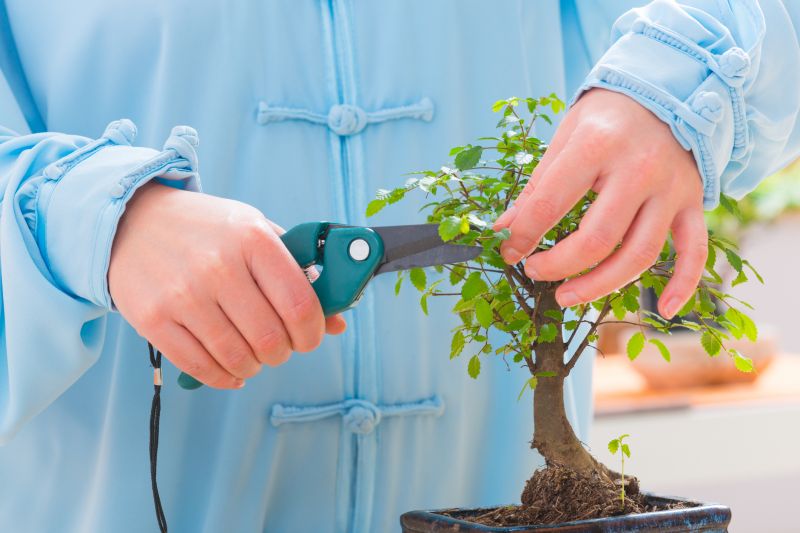
Bonsai tree pruning services involve carefully trimming and shaping miniature trees to maintain their health and aesthetic appeal. This process includes removing dead or overgrown branches, refining the tree’s structure, and ensuring proper growth patterns. Skilled service providers use specialized tools and techniques to gently prune without damaging the delicate branches or roots. Regular pruning helps keep bonsai trees vibrant and prevents them from becoming unruly or overgrown, making them easier to care for and display.
Pruning helps address common issues such as branch congestion, uneven growth, and the development of dead or diseased wood. Without proper maintenance, bonsai trees can become overcrowded, which limits airflow and light penetration, increasing the risk of pests and disease. Trimming also encourages new growth, resulting in a healthier, more balanced appearance. For owners who notice their bonsai trees losing shape or vitality, professional pruning can restore their natural beauty and ensure the tree remains a healthy, attractive feature.
This service is often sought by homeowners with decorative bonsai trees placed on patios, entryways, or in landscaped gardens. Properties with Japanese gardens or traditional landscape designs frequently feature bonsai as focal points, making regular pruning essential for maintaining their aesthetic. Additionally, bonsai enthusiasts who want to keep their trees in prime condition often rely on professional pruning to achieve precise shaping and to promote long-term health. Whether for personal enjoyment or enhancing curb appeal, property owners with bonsai trees can benefit from expert trimming and shaping services.
Homeowners who notice their bonsai trees becoming overgrown, misshapen, or showing signs of stress may find pruning services helpful. This work is also valuable for those preparing their bonsai for display or special occasions, where a tidy and well-maintained appearance is desired. Regular pruning can prevent common problems like branch crowding and uneven growth, ensuring the tree remains proportional and healthy. Connecting with experienced local contractors can provide the expertise needed to keep bonsai trees thriving and visually appealing for years to come.
The overview below groups typical Bonsai Tree Pruning projects into broad ranges so you can see how smaller, mid-sized, and larger jobs often compare in Stamford, CT.
In many markets, a large share of routine jobs stays in the lower and middle ranges, while only a smaller percentage of projects moves into the highest bands when the work is more complex or site conditions are harder than average.
Smaller Pruning Jobs - For routine trimming and shaping of small bonsai trees, local pros typically charge between $50 and $150. Many standard maintenance projects fall within this range, depending on the tree's size and complexity.
Medium-Scale Pruning - Larger or more detailed pruning of multiple bonsai trees usually costs between $150 and $400. These projects tend to be common for enthusiasts looking to maintain several trees regularly.
Extensive Shaping and Training - More elaborate pruning, including wiring and structural adjustments, can range from $400 to $1,000. Fewer projects reach into this tier, often for advanced shaping or larger trees.
Larger or Complex Projects - Significant pruning involving removal of large branches or redesigns can exceed $1,000 and reach $5,000+ for very intricate work. Such projects are less frequent and typically involve professional landscape or bonsai specialists.
Actual totals will depend on details like access to the work area, the scope of the project, and the materials selected, so use these as general starting points rather than exact figures.
Topiary Garden Design - shaping and trimming plants to create artistic forms requires precision pruning skills similar to bonsai tree care.
Ornamental Tree Trimming - maintaining the health and appearance of decorative trees involves techniques used in bonsai pruning to promote growth and aesthetics.
Landscape Pruning Services - general pruning of shrubs and trees in landscape projects shares planning and trimming methods with bonsai maintenance.
Fruit Tree Pruning - managing fruit-bearing trees involves careful cutting and shaping, similar to the detailed work in bonsai pruning.
Hedge Trimming - shaping and maintaining hedges requires precise cutting tools and planning akin to bonsai tree styling.
Indoor Plant Shaping - pruning and training indoor plants for aesthetic appeal involves techniques comparable to bonsai cultivation and pruning.
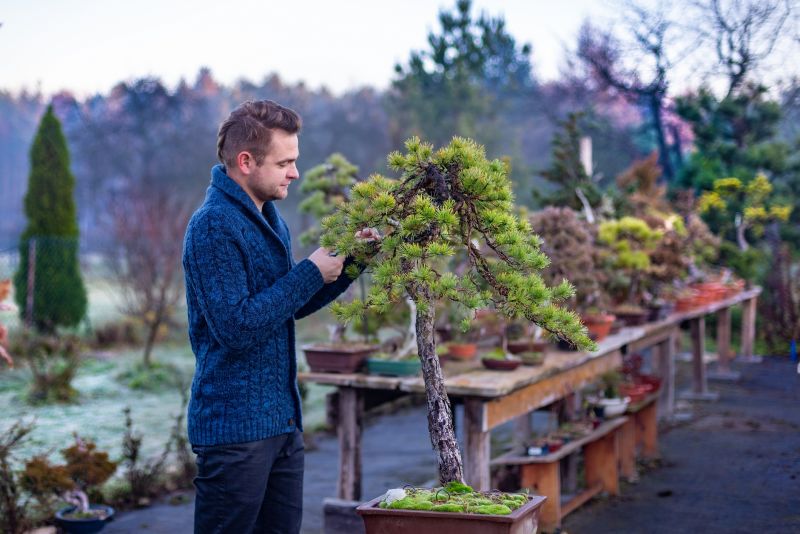
When evaluating potential service providers for bonsai tree pruning, it’s important to consider their experience with similar projects. Homeowners should look for local contractors who have a proven track record of working with delicate and intricate pruning tasks, particularly with plants like bonsai trees that require specialized care. Asking about previous work or seeking out references can provide insight into their familiarity with the unique needs of bonsai maintenance, helping to ensure that the chosen professional has the necessary skills to handle the job effectively.
Clear, written expectations are essential to a successful project. Homeowners should seek out service providers who can articulate their approach, the scope of work, and any specific methods they plan to use. Having these details in writing helps prevent misunderstandings and provides a basis for agreement on what will be done. It’s also beneficial to request reputable references or reviews that can confirm the contractor’s reliability and quality of work, giving added confidence that the project will be managed professionally.
Effective communication is a key factor when comparing local contractors for bonsai tree pruning. Pros who are responsive, transparent, and willing to answer questions demonstrate a commitment to customer service and can make the process smoother. Homeowners should pay attention to how promptly and clearly potential service providers communicate during initial inquiries, as this often reflects their overall approach to client interactions. Since the site introduces homeowners to local options rather than performing the work itself, taking the time to find a professional who communicates well and understands the project’s specifics can lead to a more satisfying experience.
Property owners in Stamford, CT use Bonsai Tree Pruning services for practical projects around their homes and businesses. This guide focuses on everyday jobs and straightforward project options.
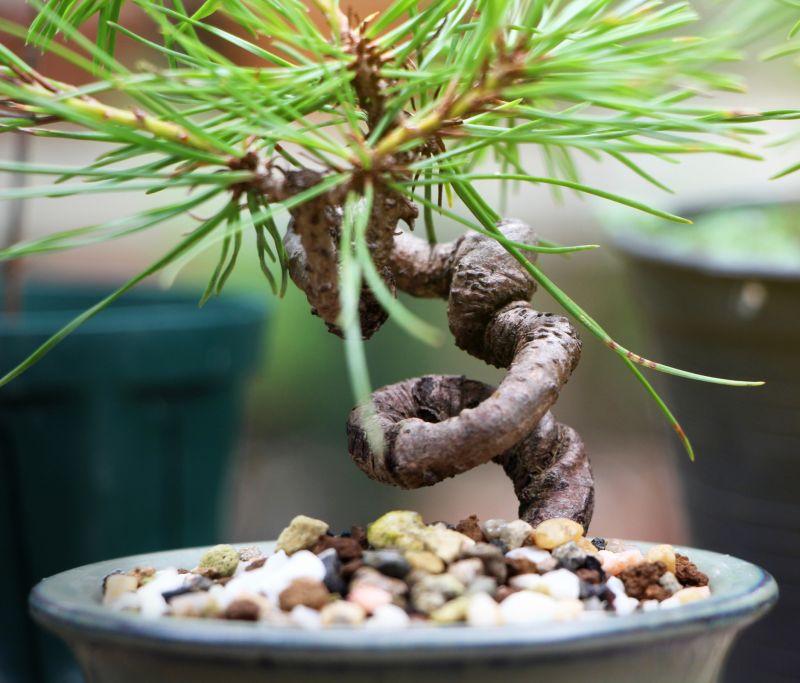
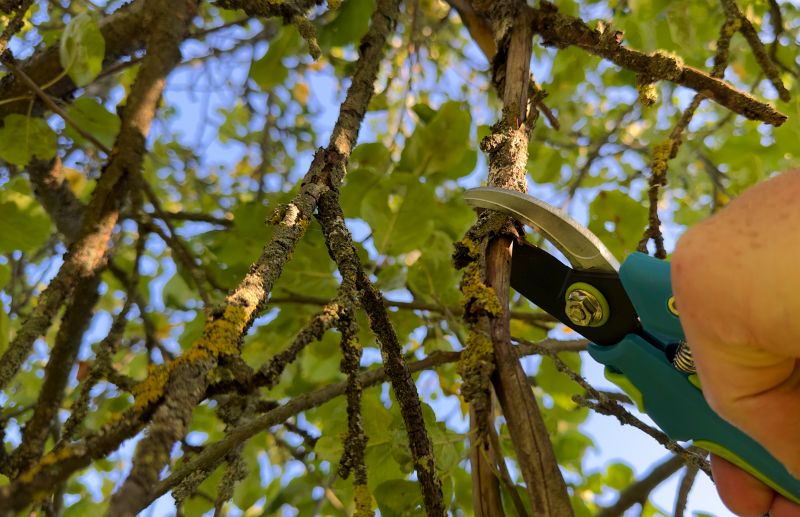
Property owners in Stamford, CT often seek professional bonsai tree pruning services to maintain the health and aesthetic appeal of their miniature trees. Regular pruning can help prevent overgrowth, ensure proper shape, and promote healthy development, especially for those with mature or delicate bonsai specimens. Homeowners and enthusiasts may also look for experienced local contractors to help manage the specific needs of their trees, whether for a personal collection or a landscaped garden feature.
In addition, many property owners turn to local service providers for pruning to prepare their bonsai trees for upcoming events or seasonal changes. Proper trimming can improve airflow and sunlight exposure, reducing the risk of pests and disease. Whether restoring the shape of a neglected bonsai or refining an already established one, local contractors can provide tailored care to keep these trees thriving in Stamford’s climate and landscape.
Why is pruning important for bonsai trees? Pruning helps maintain the desired shape, encourages healthy growth, and prevents overgrowth that can harm the tree’s health.
When is the best time to prune a bonsai tree? The ideal time to prune varies by species and season, but generally, late winter or early spring are recommended periods for pruning most bonsai trees.
What tools are recommended for bonsai tree pruning? Sharp, fine-tipped pruning shears and concave cutters are commonly used to make precise cuts that promote healthy healing.
Can pruning help prevent pests and diseases? Yes, removing dead or diseased branches through pruning can reduce the risk of pests and infections affecting the bonsai.
How do local contractors determine the best pruning techniques for my bonsai? They assess the tree’s species, age, and current condition to select appropriate pruning methods that support healthy growth and aesthetic goals.
Enhance tree health - professional pruning can help maintain the vitality of bonsai trees, ensuring they grow strong and resilient in a home or garden setting.
Improve aesthetic appeal - skilled pruning services can shape bonsai trees to better fit the style or design of a landscape or indoor space.
Prevent overgrowth - regular trimming by local contractors can control the size of bonsai trees, making them easier to manage and care for.
Remove dead or damaged branches - pruning services can clear away unhealthy parts of a bonsai to promote new growth and overall tree health.
If you are thinking about Bonsai Tree Pruning for a property in Stamford, CT, this guide is meant to help you understand the work, the typical project types, and how different options might fit your plans.
When you are ready, you can use the quote form on this page to share a few details about your project. From there, local pros can review the basics and respond with options that match what you have in mind.